


The Pay Structure of a Model’s Career in South Africa: From Beginner to Supermodel
- Aug 17, 2025
- 3 min read
The South African modeling industry has steadily grown into one of Africa’s most vibrant fashion markets, with Cape Town and Johannesburg serving as international hubs for photography, fashion shows, and advertising campaigns.
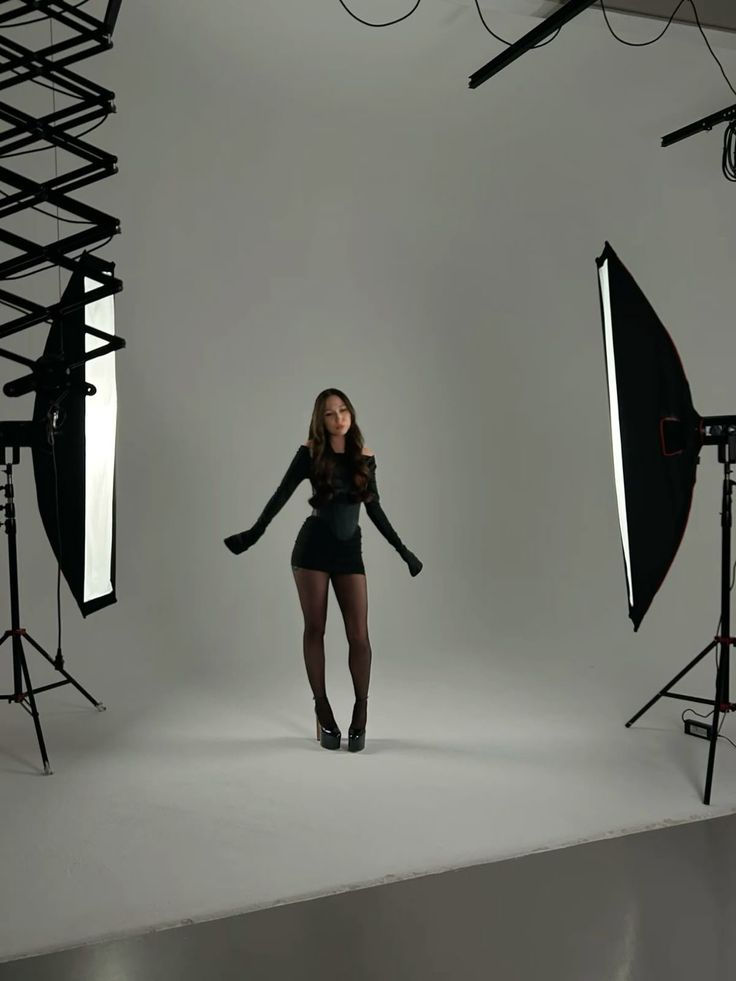
While modeling is often viewed as glamorous, the pay structure is far from uniform, and a model’s income is heavily determined by their experience, type of work, agency representation, and exposure to international markets. From struggling newcomers to global supermodels with South African roots, the financial journey reflects both the challenges and opportunities of the profession.
At the base of the industry are entry-level or aspiring models, often signed to smaller agencies or working freelance for local designers and photographers. For many beginners, payment can be irregular or symbolic, with jobs sometimes offering “exposure” rather than money. Small runway shows, local fashion events, and student photography shoots may pay between R500 and R2,000 per job, depending on the budget. Many newcomers use this stage to build their portfolios and gain professional experience, but financial stability is often out of reach, forcing them to juggle modeling with part-time work or studies.
As models establish themselves and gain agency representation in Johannesburg or Cape Town, they enter the commercial and catalogue market. This segment is the backbone of South African modeling, as the country is a global hub for e-commerce and advertising shoots, especially during the European summer off-season. Local brands such as Woolworths, Mr Price, Foschini, and Pick n Pay regularly employ models for catalogue shoots, while international companies come to Cape Town to produce advertising campaigns. Pay for commercial jobs can range from R3,000 to R15,000 per day, with international campaigns offering significantly more, especially if usage rights extend beyond South Africa. At this stage, models begin to rely more consistently on their careers for income.
Beyond catalogue work lies the editorial and fashion scene, though in South Africa it is not as financially lucrative as in Europe or the United States. Editorial shoots for fashion magazines like Elle South Africa, Glamour, or local Vogue editions typically pay modestly, often between R1,000 and R5,000 per shoot. Runway work for South African Fashion Week or Cape Town Fashion Week can range from R2,000 to R10,000 per show for established names, while newer models may earn far less. Still, editorial and runway exposure remain important stepping stones, as they raise a model’s profile and can lead to international scouting opportunities.


The financial leap occurs when a model secures international contracts or endorsements. Many South African models have found success abroad, with agencies in Paris, Milan, London, or New York signing talent discovered locally. Once placed internationally, South African models can command higher rates, with campaigns paying anywhere from R50,000 to several million, depending on the brand and usage rights. Endorsements and long-term contracts with beauty or fashion houses transform modeling into a highly lucrative career.
At the pinnacle stand South African-born supermodels, such as Candice Swanepoel, Behati Prinsloo (Namibian but often linked to the South African industry), and others who have become global icons. These models earn millions annually from runway appearances, beauty contracts, endorsements, and social media sponsorships. Their wealth is no longer tied solely to modeling jobs but to brand ambassadorships, entrepreneurial ventures, and celebrity status. The difference between local and international earning power at this level is stark: while a high-level model in South Africa may comfortably earn six figures annually, a global supermodel can exceed R300 million a year.
In conclusion, the South African modeling pay structure highlights both opportunity and inequality. While local jobs provide an entry point and steady commercial work sustains many careers, the industry’s financial ceiling is often reached only by those who secure international exposure. The journey from unpaid beginner gigs in Johannesburg to walking the Victoria’s Secret runway or fronting global luxury campaigns reflects how modeling in South Africa can be both a launching pad for stardom and a tough, competitive industry that requires resilience and luck
Sources
PayScale: average hourly pay R245.71 (range R49.66–R645.64) Payscale
SalaryExpert (ERI): national averages—annual R215,225; entry-level R125,435; senior R274,280; bonus R37,191 Salary Expert
ERI (Johannesburg): annual R277,688; hourly R134; bonus R47,984 ERI Economic Research Institute
ERI (Cape Town): annual R233,466; hourly R112; bonus R40,343 ERI Economic Research Institute
Sociological Images (editorial vs commercial pay trends) The Society Pages
Reddit insights (industry challenges, agency debt, pay unpredictability) Reddit+1
Wikipedia: Alex Binaris—international South African model Wikipedia
Wikipedia: agency commission norms (10–20%


Comments